
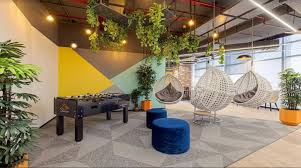
Work has changed more in the last ten years than in the hundred years before it. From rigid 9-to-5 office routines, we have moved to flexible coworking spaces that welcome freelancers, startups, and even large corporations. Today, work is not just about desks and laptops it’s about smart, technology-driven environments that make working easy, efficient, and exciting. Smart workspaces of the future combine modern technology with a flexible work culture. Whether you are exploring coworking spaces in Bangalore or looking at workspaces in Noida, technology is at the heart of this transformation.
How Is Technology Changing Coworking Spaces?
The Rise of Smart Coworking Spaces
Coworking began as a way for freelancers and small businesses to escape the rigidity of traditional offices without the isolation of working from home. Over the years, however, coworking has evolved into something much larger due to rapid technological advancements.
Now, smart coworking spaces go beyond shared tables they use digital tools and automation to enhance productivity and create stronger professional networks.
For example, members can now book meeting rooms through mobile apps, access their workstations using smart entry systems, or enjoy automated billing without paperwork.
Tech-Driven Flexibility for Modern Workers
One of the biggest strengths of coworking spaces is flexibility and technology has made this flexibility even smarter. Imagine walking into a workspace and instantly connecting to secure Wi-Fi, finding an available desk through a sensor-driven system, or joining a brainstorming session via virtual whiteboards.
That’s the reality of today’s tech-powered coworking environments. Even companies with hybrid work models are embracing these smart tools to streamline collaboration and reduce friction.
Making Work Environments Smarter and Greener
Another major advantage of technology in coworking spaces is sustainability. The workspaces of the future are designed to be not just efficient, but also environmentally friendly.
Smart lighting systems automatically adjust brightness based on natural light, reducing electricity costs. Internet of Things (IoT) devices track energy consumption, while climate-control systems fine-tune room temperatures in real time for maximum comfort.
For example, coworking spaces in Noida are increasingly adopting eco-friendly technology to attract professionals and companies that prioritize green innovation.
Enhancing Networking and Collaboration
For many professionals, the biggest attraction of coworking is the opportunity to meet and collaborate with like minded individuals. Technology has elevated this experience.
Many coworking providers now offer community apps that allow members to connect, share ideas, and collaborate on projects seamlessly.
Suppose you’re a startup founder in a coworking space in Bangalore. Through a digital platform, you could easily connect with an investor, a designer, and a marketing expert all working under the same smart workspace.
Future-Ready Solutions for Businesses
The future of coworking spaces isn’t limited to freelancers or startups. Large corporations are now shifting parts of their teams into coworking environments, especially in cities like Bangalore and Noida.
Why? Because technology in coworking spaces allows companies to scale quickly without long-term real estate commitments.
Advanced digital security systems ensure data privacy, while AI-powered analytics help businesses monitor how employees use space and optimize layouts for productivity. This data driven approach supports better decision making and promotes employee well-being.
Conclusion
The future of coworking is smart, sustainable, and powered by technology. From booking a desk through an app to AI tools that support teamwork, technology has transformed coworking from a shared space into a connected ecosystem.
Cities like Bangalore, Hyderabad, Mumbai, and Delhi-NCR are leading this transformation, making coworking the go-to choice for startups, freelancers, and large enterprises.
Ultimately, smart workspaces of the future are not just about convenience they represent a new way of working, where technology, community, and sustainability come together to create offices that truly match the pace of modern life.
